Employment Market Overview (Including Graduate Career Paths, Estimated Market Demand, and Central Government Agencies Overseeing Employment Fields)
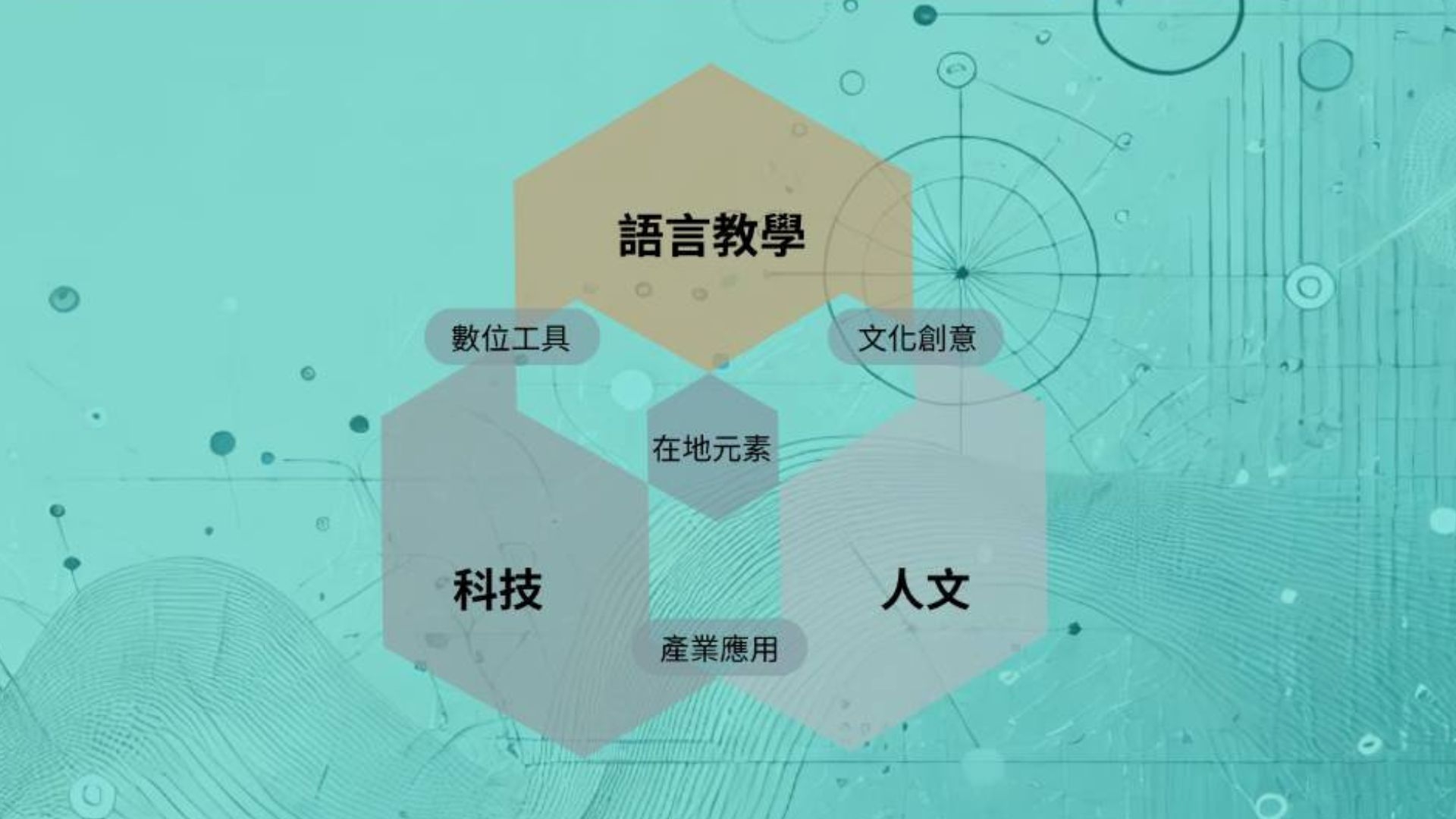
The Master's program recruits students from diverse backgrounds. Upon graduation, students may advance in their original academic fields or workplaces, particularly in areas such as language education, Teaching Chinese as a Second Language (TCSL), cultural and creative industries, creative lifestyle industries, cultural heritage applications, exhibition and performance industries, and overseas Chinese affairs–related practice and research fields.
At the policy level, the Ministry of Education, in collaboration with the Ministry of Foreign Affairs and the Overseas Community Affairs Council, jointly launched the “Chinese Language Education 2025 Project.” The project integrates inter-ministerial resources to prioritize the establishment and development of organizational mechanisms for Chinese language education promotion, curriculum reference guidelines, international Chinese teacher standards, digital teaching and learning platforms, and other foundational infrastructures. It also integrates Chinese proficiency testing systems to strengthen Taiwan’s Chinese language teaching framework. The goal is to transform these infrastructures into public educational resources accessible to various sectors, creating a “National Team Toolbox” for Chinese education. Additionally, the plan aims to establish overseas centers featuring Taiwan’s distinctive Chinese teaching, promote Taiwan’s global soft power, attract international talents to Taiwan for Chinese learning, and support the bilingual education policy. It also seeks to meet the demand for Chinese teachers in overseas and Southeast Asian regions.
There is high social demand for professionals in Chinese language teaching, content-and-language integrated instruction, and cultural and creative industries. Career opportunities in related research and development, practical work, policy evaluation, planning, and implementation all present promising employment prospects.
Furthermore, in response to the four key focuses of the government’s New Southbound Policy:
(1) Provide high-quality talent for industries expanding southbound and strengthen talent cultivation and industrial connectivity.
(2) Support the education of children of new immigrants, fostering social capital friendly to New Southbound countries.
(3) Assist universities in expanding international networks and enhancing higher education internationalization.
(4) Encourage outstanding students from New Southbound countries to stay in Taiwan for employment after graduation, strengthening industrial manpower.
Our university has long maintained strong connections with overseas Chinese communities in Mainland China, Hong Kong, Singapore, Malaysia, Brunei, and Indonesia. These communities donate to support the university’s development annually. The university maintains close partnerships with industries, which positively influence academic research, industry collaboration, and students’ learning and employment opportunities. Additionally, for countries such as Vietnam and Thailand, the university is capable of assisting with language, cultural exchange, and policy issues arising from demographic transitions. Beyond cultivating professionals in Chinese language teaching, content-and-language integrated teaching, and cultural and creative industry applications, these regions also provide important arenas for graduates to further develop their expertise.
Employment Qualifications
Substitute Teacher (Chinese Language Subject in Secondary School)
Applicants must be citizens of the Republic of China (Taiwan) and meet one of the following qualifications:
According to Article 3, Paragraph 3, Item 1 of the Regulations for Hiring Part-time and Substitute Teachers in Senior Secondary and Below Schools, applicants should hold a qualified teacher certificate for the corresponding educational stage and subject area.
According to Item 2, if no qualified applicants under Item 1 apply or pass the selection, individuals who have completed pre-service teacher education and obtained a completion certificate are eligible.
According to Item 3, if no applicants under the previous categories apply or pass the selection, individuals with a university degree or above are eligible.
Chinese Language Teacher
Qualifications:
Fluent in Mandarin and a citizen of the Republic of China (Taiwan).
Holds a bachelor's degree from a public or private university in Taiwan or from a foreign university recognized by the Ministry of Education.
Holds the Ministry of Education’s “Certificate of Proficiency in Teaching Chinese as a Second/Foreign Language” or has completed a teacher training program at a university-affiliated Chinese language center recognized by the Ministry of Education.
Relevant study or teaching experience (priority given to those with the following qualifications in order):
1. Over 500 hours of Chinese language teaching experience.
2. Graduated from a TCSL-related department or degree program at a recognized institution in Taiwan.
3. Completed 180 hours or more of a Chinese language teacher training program.